

How is Mind-Body Connection Improved with Martial Arts?
Enhancing the Mind-Body Connection through Martial Arts Training Abstract: Martial arts training has been recognized as a holistic discipline that fosters the development of a strong mind-body connection. This report explores the various aspects of how martial arts training can improve this connection, encompassing physical, mental, and emotional well-being. By examining the underlying mechanisms and the scientific evidence supporting these improvements, we shed light on the profound impact of martial arts on enhancing the mind-body connection. You can get certified as a mind body fitness coach to improve your own skills and help others while building a fun career. Martial arts encompass a wide range of disciplines that are not only focused on self-defense but also on the development of the practitioner’s mind and body. A central aspect of martial arts training is the cultivation of a strong mind-body connection, where the practitioner gains greater awareness and control over their physical, mental, and emotional states. This report delves into the ways martial arts training improves the mind-body connection. Physical Benefits Coordination and Balance: Martial arts training places a significant emphasis on precise and coordinated movements. Through the repetition of techniques, practitioners enhance their coordination and balance. This increased physical awareness directly contributes to an improved mind-body connection, as the individual becomes more attuned to their body’s movements and positioning in space. Strength and Flexibility: Many martial arts require the development of core strength and flexibility. As individuals progress in their training, they develop a heightened sense of their body’s capabilities, fostering a stronger mind-body connection. This awareness leads to improved control over their physical movements. Mental Benefits Concentration and Focus: The mental aspects of martial arts are as crucial as the physical. Practitioners must concentrate deeply on their movements, opponents, and strategies during training and sparring. This enhanced focus not only improves performance in martial arts but also carries over into daily life, leading to better concentration and mental clarity. Stress Reduction: Martial arts training often incorporates mindfulness techniques, such as controlled breathing and meditation, which are essential for stress reduction. The practice of these techniques not only reduces stress levels but also enhances the mind’s ability to connect with the body’s sensations and emotions. Emotional Benefits Self-Awareness and Emotional Regulation: Martial arts training encourages self-reflection and self-awareness. Through this process, practitioners become more in tune with their emotions and learn to regulate them effectively. This heightened emotional intelligence strengthens the mind-body connection, as individuals can recognize and respond to physical sensations associated with specific emotions. Confidence and Self-Esteem: As individuals progress in their martial arts journey and achieve milestones, they often experience increased self-confidence and self-esteem. This boost in self-assurance positively impacts the mind-body connection, as individuals are more attuned to their body’s capabilities and potential. Scientific Evidence Numerous studies have investigated the effects of martial arts on the mind-body connection. Research has shown that regular martial arts training can lead to improvements in balance, coordination, cognitive function, and emotional regulation. For instance, a study published in the Journal of Sport and Health Science in 2016 found that martial arts training can enhance brain function and cognitive performance. Martial arts training is a multifaceted discipline that offers a wealth of benefits for the mind-body connection. By improving physical fitness, enhancing mental focus, and promoting emotional well-being, martial arts practitioners experience a holistic development that significantly enhances their overall quality of life. The scientific evidence supports the anecdotal claims of practitioners who have experienced the profound impact of martial arts on their mind-body connection. Incorporating martial arts into one’s life can be a valuable avenue for fostering a stronger, more harmonious connection between the mind and body. You will learn a great deal about the mental and emotional aspect of martial arts training as part of your education within the MMA Conditioning Coach Certification program. Our sports psychology coach certification program includes aspects of mind-body conditioning for MMA.

Cold Plunge for MMA Athletes Protocol
Cold Plunge Therapy: A Deep Dive into Martial Artists’ Recovery Arsenal In the physically demanding world of martial arts, optimizing recovery becomes pivotal for sustained peak performance. Amid various strategies, cold plunge therapy has emerged as a potent tool to aid in faster recovery, mitigate muscle soreness, and bolster athletes’ overall well-being. This comprehensive report delves into the intricate science behind cold plunge therapy, the ideal frequency, duration, temperature parameters, and how top-tier fighters strategically employ this method for enhanced recovery. Learn about cold therapy and other recovery methods as part of the MMA Conditioning Coach Certification. The Physiology Behind Cold Plunge Therapy Cold plunge therapy initiates a complex physiological cascade that extends beyond mere alleviation of discomfort. When exposed to cold water, the body reacts by constricting blood vessels through vasoconstriction, which redirects blood flow away from the extremities to protect core temperature. Upon exiting the cold water, the body undergoes vasodilation, a process that results in expanded blood vessels, heightened blood circulation, and efficient removal of metabolic waste products. Unveiling Optimal Frequency, Duration, and Temperatures The efficacy of cold plunge therapy lies in precision. Cold water immersion sessions, spanning 3 to 10 minutes, are recommended to strike the right balance between therapeutic effect and avoiding overexposure. Temperature-wise, water ranging from 50°F to 60°F (10°C to 15.5°C) is considered optimal. This temperature range stimulates the desired physiological responses without inducing potential risks associated with more extreme cold temperatures. Strategic Timing of Cold Plunge Therapy The strategic integration of cold plunge therapy hinges on meticulous timing, aligned with the intricacies of an athlete’s training routine. Key moments to incorporate cold plunges include: Clinical Substantiation and Fighter Exemplars Scientific studies have substantiated the advantages of cold water immersion. Research published in the Journal of Strength and Conditioning Research has underscored the efficacy of cold water immersion in reducing muscle soreness and maintaining muscular power post-exercise. The controlled vasoconstriction-vasodilation mechanism inherent in cold plunge therapy has demonstrated its efficacy in minimizing post-training inflammation and expediting recovery. In the martial arts realm, exemplary fighters have embraced cold plunge therapy as a fundamental component of their regimens. Conor McGregor’s routine includes post-training cold plunges, attributing them to his recovery protocol. Similarly, the Wim Hof Method, encompassing cold exposure, has garnered the attention of athletes, including fighters, for its potential in augmenting performance and recovery. Cold plunge therapy has transcended its initial status as a mere trend, emerging as an integral strategy for martial artists’ recovery journey. The intricacies of vasoconstriction and vasodilation, coupled with precise parameters for frequency, duration, and temperature, have substantiated its role in mitigating muscle soreness, reducing inflammation, and amplifying overall recovery. With clinical research fortifying its scientific foundation and the endorsement of top-tier fighters validating its efficacy, cold plunge therapy remains poised to continue its pivotal role in the holistic recovery and performance enhancement of martial artists. Cold therapy is just one aspect of recovery for MMA training. Learn more about it within our professional training course.
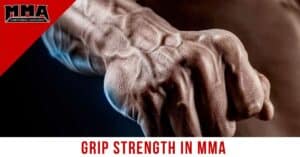
Grip Strength for MMA is Far More Important to Your Life Than You Realize
Why Grip Strength for Martial Artists is Far More Important Than You Think As a martial artist or a coach, you surely been involved in some discussion about the importance of grip strength. After all, G.I. Joe did have the kung fu grip! If you are a grappler, grip is critical. Without it, many offensive and defensive moves simply don’t work as well as they could. But what if there was something more to the story? What if grip strength was more than controlling your opponent? What if having strong and muscular forearms was more important than just making you look strong in a T-shirt? Scientific Correlation Between Grip Strength, Overall Body Strength, and Longevity The relationship between grip strength, overall body strength, and longevity is a topic of significant scientific interest. This report delves into the intricate correlation between grip strength and overall body strength, exploring the scientific evidence that links these factors to extended lifespan and better health outcomes. Learn how to scientifically develop grip strength as part of your training to become a Certified MMA Conditioning Coach. Grip Strength as a Marker of Muscle Health Grip strength serves as a valuable proxy for assessing overall muscle health and function. Muscles are a critical component of the body’s structural framework and metabolic processes. A strong grip is indicative of a robust musculoskeletal system, suggesting optimal muscle mass, endurance, and functionality. The Research Linking Grip Strength to Longevity Numerous studies have unveiled the connection between grip strength and longevity. Research published in the British Medical Journal highlighted that decreased grip strength is associated with an increased risk of mortality from all causes. This relationship persists even after accounting for other factors like age, gender, and body composition. Muscle Mass, Metabolism, and Longevity Grip strength serves as a surrogate measure for muscle mass, which is a crucial determinant of metabolism. Muscle tissue is metabolically active and contributes to energy expenditure, glucose regulation, and insulin sensitivity. Maintaining adequate muscle mass through grip-strengthening activities contributes to overall metabolic health, reducing the risk of chronic diseases that can shorten lifespan. Functional Independence and Quality of Life Strong grip strength translates to functional independence and enhanced quality of life, both of which are linked to longevity. Research published in the Journals of Gerontology found that individuals with stronger grip strength are more likely to remain physically active, maintain mobility, and perform daily activities without assistance as they age. Cardiometabolic Health The relationship between grip strength and cardiometabolic health cannot be overlooked. Studies have shown that individuals with stronger grips tend to have lower blood pressure, improved cardiovascular fitness, and favorable lipid profiles. Enhanced cardiovascular health contributes to longevity by reducing the risk of heart disease and related complications. Neurological Significance Grip strength also has neurological implications. A study in the European Journal of Applied Physiology demonstrated that grip strength is linked to cognitive function and brain health. Individuals with stronger grips often exhibit better cognitive abilities, potentially contributing to a longer and cognitively vibrant life. If you want to become the absolute top of the food chain, world class Certified MMA Conditioning Coach, you will also want to become a Certified Longevity Coach and Certified Brain Fitness Coach. Lifestyle Impact The association between grip strength and longevity is influenced by lifestyle factors. Engaging in regular strength training, physical activity, and a balanced diet rich in essential nutrients supports the development and maintenance of muscle strength. These lifestyle choices synergize with grip strength, enhancing overall body strength and extending lifespan. Best Exercise to Develop Grip Strength When it comes to building impressive forearm strength and aesthetics, these five exercises stand out as effective and targeted options. 1. Farmer’s Walk: A classic functional exercise, the Farmer’s Walk involves gripping heavy dumbbells or kettlebells in each hand and walking for a set distance or time. This exercise engages the entire forearm, strengthening both grip and wrist stability. 2. Wrist Curls: Performed with a barbell or dumbbell, wrist curls involve flexing the wrist upward and then lowering it back down. This isolates the forearm flexor muscles, contributing to enhanced grip strength. 3. Reverse Curls: Targeting the forearm extensor muscles, reverse curls are executed by gripping a barbell with an overhand grip and curling it upwards. This exercise balances the forearm muscles and complements the flexor-focused movements. 4. Hammer Curls: Like traditional bicep curls, hammer curls involve holding dumbbells with a neutral grip (palms facing each other) and curling them. This movement emphasizes both the biceps and the forearm muscles, enhancing overall arm aesthetics. 5. Towel Pull-Ups: Incorporating a towel into pull-up routines challenges grip strength further. By gripping the towel instead of a bar, you engage the forearm muscles intensely while also benefiting the upper body. Incorporating these exercises into your routine offers a comprehensive approach to forearm development, ensuring not only functional strength but also a visually appealing and well-balanced aesthetic. What are the Muscles of The Forearms and What is Their Function? These forearm muscles, working in harmony with each other, enable the intricate and precise movements required for countless daily tasks, sports, and creative endeavors. Whether gripping, flexing, extending, rotating, or stabilizing, the muscles of the forearm contribute to the remarkable dexterity and functionality of the human hand. The scientific correlation between grip strength, overall body strength, and longevity is an intricate tapestry woven by the synergistic interplay of musculoskeletal health, metabolic function, cardiovascular well-being, and neurological vitality. As research continues to unveil the profound impact of grip strength on various aspects of health, it becomes evident that prioritizing muscle health through activities that enhance grip strength contributes not only to a longer life span but also to a life marked by vitality, independence, and overall well-being.

How to Protect Your Brain as an MMA Fighter
Optimizing Brain Health in Martial Arts: A Holistic Approach Let’s be honest and keep it real. You are going to get punched in the face or head at some point. And, you also know that too much of that damage causes serious problems we’ve all seen. And, the damage happens much sooner than we can observe. It’s on the micro level and can progress. You want to fight. You want to train. You need to take precautions. Martial arts, a blend of discipline and physicality, offers profound benefits for overall well-being. However, considering the nature of combat sports and the potential impact on the head, prioritizing brain health is paramount. This article explores the essential strategies to safeguard mental health and ensure a sustainable and fulfilling career in martial arts, even while the head may encounter impact. Learn how you can become a Certified Brain Fitness Coach as part of your MMA Conditioning Coach education. Embrace Proper Technique and Training The foundation of brain health in martial arts is rooted in proper technique and training. Ensuring that techniques are executed with precision minimizes the risk of head trauma. Emphasizing controlled sparring sessions, focusing on defensive skills, and practicing evasion techniques significantly reduce the chances of receiving impactful blows to the head. Invest in High-Quality Protective Gear Protective gear plays a crucial role in mitigating head impact. Headgear, mouthguards, and appropriate padding can absorb and distribute impact energy, safeguarding the brain from unnecessary trauma. High-quality protective gear, customized to fit snugly and comfortably, provides an added layer of defense. Prioritize Conditioning and Strengthening A strong body translates to a resilient mind. Engaging in conditioning and strengthening exercises, both for the body and neck muscles, provides better support for the head. Strong neck muscles absorb shock and stabilize the head during impacts, reducing the risk of whiplash-like injuries. Adopt Progressive Sparring Techniques Sparring is integral to martial arts development, but it’s vital to adopt progressive sparring techniques. Gradually increasing the intensity, incorporating controlled drills, and avoiding full-contact sparring on a regular basis help minimize head trauma while still honing skills. Incorporate Cross-Training Cross-training is a valuable strategy to maintain brain health. Integrating activities like yoga, meditation, and cognitive exercises enhances focus, mental clarity, and emotional well-being. A well-rounded approach to training not only benefits physical performance but also nurtures mental resilience. Prioritize Rest and Recovery Rest is a cornerstone of brain health. Adequate sleep promotes brain tissue repair and cognitive function. Rest days between intense training sessions allow the brain to recover from exertion and reduce the risk of cumulative head trauma. Learn more about brain training and how you can have it as part of your coaching career. Martial arts enthusiasts can enjoy a rewarding career while safeguarding their brain health. By embracing proper technique, utilizing protective gear, prioritizing conditioning, adopting progressive sparring techniques, incorporating cross-training, and seeking expert coaching, martial artists can preserve their mental well-being and extend their longevity in the field. Remember, a sustainable and fulfilling martial arts journey is one where physical prowess and mental health coexist harmoniously. In short….. BE SMART! Become a Certified MMA Conditioning Coach >>> Brain health and fitness coach training >>>

How Does Meditation Help MMA Athletes?
The Role of Meditation in Enhancing Martial Artists’ Performance and Recovery Meditation, a centuries-old practice rooted in mindfulness and self-awareness, has gained increasing recognition for its potential to enhance physical and mental well-being. This report delves into the ways meditation can significantly benefit martial artists by improving their performance and aiding in post-training recovery. Performance Enhancement Through Meditation: Focus and Concentration: Martial artists require acute focus and concentration during training and competitions. Meditation cultivates the ability to maintain attention on the present moment, enhancing a martial artist’s capacity to concentrate on techniques and opponents. Mind-Body Connection: Meditation deepens the connection between the mind and body, leading to improved body awareness and control. Martial artists can execute movements with greater precision and efficiency, resulting in enhanced performance. Stress Management: High-stress environments are common in martial arts training and competition. Regular meditation practice reduces stress by regulating cortisol levels, enabling martial artists to remain calm under pressure and make better decisions. Visualization and Mental Rehearsal: Meditation aids in developing vivid mental imagery. Martial artists can use this skill to mentally rehearse techniques, strategies, and scenarios, thereby improving muscle memory and overall performance. Emotional Regulation: Emotional control is crucial in martial arts. Meditation enhances emotional intelligence, allowing martial artists to manage emotions like anger, fear, and anxiety, which can affect performance. Meditation for Post-Training Recovery: Relaxation and Muscle Recovery: Meditation induces the relaxation response, lowering heart rate and reducing muscle tension. This promotes faster muscle recovery after intense training sessions. Reduced Inflammation: Chronic inflammation can hinder recovery and performance. Meditation has been linked to decreased inflammation markers, potentially aiding in the recovery process. Improved Sleep Quality: Quality sleep is essential for recovery. Meditation helps regulate sleep patterns, ensuring martial artists achieve deeper, more restorative sleep. You can also become a Certified Sleep Science Coach in addition to a Certified MMA Conditioning Coach. Enhanced Immune Function: Consistent meditation practice boosts the immune system, helping martial artists fend off illnesses and recover more quickly from injuries. Mental Restoration: Intense training can lead to mental fatigue. Meditation provides cognitive rest, allowing martial artists to recharge mentally and maintain peak performance levels. Meditation Techniques for Martial Artists: Mindfulness Meditation: Focused attention on breath and bodily sensations promotes present-moment awareness, aiding in concentration and emotional regulation. Guided Visualization: Visualization practices help martial artists mentally rehearse techniques and successful outcomes, bolstering confidence and performance. Loving-Kindness Meditation: This practice cultivates compassion, reducing negative emotions and enhancing the mental well-being of martial artists. Body Scan Meditation: Body awareness techniques improve understanding of muscle tension and promote relaxation, aiding in both recovery and performance. Integration and Best Practices: a) Consistency: Regular meditation practice yields the most significant benefits. Incorporating meditation into daily routines can lead to long-term improvements. b) Training Context: Martial artists can integrate meditation into pre-training rituals to enhance focus or post-training to aid recovery. c) Professional Guidance: Martial artists can benefit from working with meditation instructors who understand the specific needs and challenges of athletes. Meditation’s transformative effects on focus, stress management, emotional regulation, and recovery make it a valuable tool for martial artists seeking to improve their performance. By integrating meditation practices into their training routines, martial artists can tap into the mental and physical benefits that contribute to success both on and off the mat.

How Do You Improve MMA Reaction Time?
Elevating Reaction Time: A Comprehensive Training Approach for MMA Athletes In the realm of Mixed Martial Arts (MMA), reaction time stands as a crucial determinant of success. The ability to anticipate and respond swiftly can make the difference between victory and defeat. This comprehensive report delves into the multifaceted approach to enhancing an MMA athlete’s reaction time, encompassing specialized drills, hand-eye coordination studies, empirical data, and scientific research that collectively optimize an athlete’s speed of reaction for the rigorous demands of combat sports. Learn hand-eye coordination drills in the MMA Conditioning Coach Certification course. 1. Understanding Reaction Time in MMA Reaction time refers to the time interval between the perception of a stimulus and the initiation of a response. In MMA, where lightning-fast decisions are imperative, improving reaction time is paramount for success. 2. The Science of Hand-Eye Coordination Hand-eye coordination is a pivotal component of reaction time. Research reveals that rigorous training enhances the neural connections between the eyes, brain, and hands, leading to quicker responses. 3. Specialized Reaction Drills a. Visual Cues: Utilizing visual cues such as flashing lights or rapid hand movements to prompt quick responses hones an athlete’s ability to react to sudden changes. b. Auditory Stimulation: Training with auditory cues simulates the unpredictable nature of a fight. Athletes react to sounds like a whistle blow or a clap. c. Decision-Making Drills: Incorporating drills that require split-second decisions, such as choosing between striking or grappling, improves cognitive processing speed. d. Virtual Reality Training: Cutting-edge technology immerses athletes in scenarios, simulating fight situations and prompting rapid responses. 4. Neurological Adaptation and Muscle Memory Repetition is key. By performing reaction drills consistently, athletes develop muscle memory, automating responses and minimizing cognitive processing time. 5. Empirical Data and Research Research indicates that reaction time can be enhanced through focused training. Studies have demonstrated that athletes who engaged in reaction-focused drills showed significant improvements in their response times. 6. Incorporating Defensive Maneuvers Quick reaction time is essential not only for offense but also for evading opponents’ strikes. Athletes train to react quickly to incoming attacks, enhancing their defensive prowess. 7. The Role of Mental Acuity Enhanced reaction time is intertwined with mental alertness. Meditation, mindfulness, and cognitive exercises contribute to heightened focus and swift decision-making. You can also become a Certified Brain Fitness Coach to further your skill sets and employment opportunities working with martial artists. 8. Tracking Progress and Feedback Measuring reaction time improvement is essential. Utilizing tools like reaction time apps or specialized equipment provides tangible data on an athlete’s progress. 9. Recovery and Optimal Performance Balancing reaction training with recovery is vital. Adequate sleep, nutrition, and proper recovery strategies ensure an athlete’s body and mind are primed for optimal reaction time. 10. Holistic Approach to Athletic Development The pursuit of improved reaction time is part of a comprehensive training regimen. Cardiovascular conditioning, strength training, and technique refinement synergize with reaction training to create a well-rounded athlete. Crafting the Ultimate MMA Competitor In the fast-paced world of MMA, reaction time is a defining factor that separates champions from contenders. The multidimensional approach discussed in this report—comprising specialized drills, hand-eye coordination studies, empirical research, and a holistic training philosophy—guides athletes toward the pinnacle of their performance. By refining reaction time, MMA athletes empower themselves to navigate the intensity of the cage with heightened precision, foresight, and effectiveness, ultimately shaping them into formidable contenders in the world of combat sports. Brain Fitness Coach Certification MMA Conditioning Coach Certification