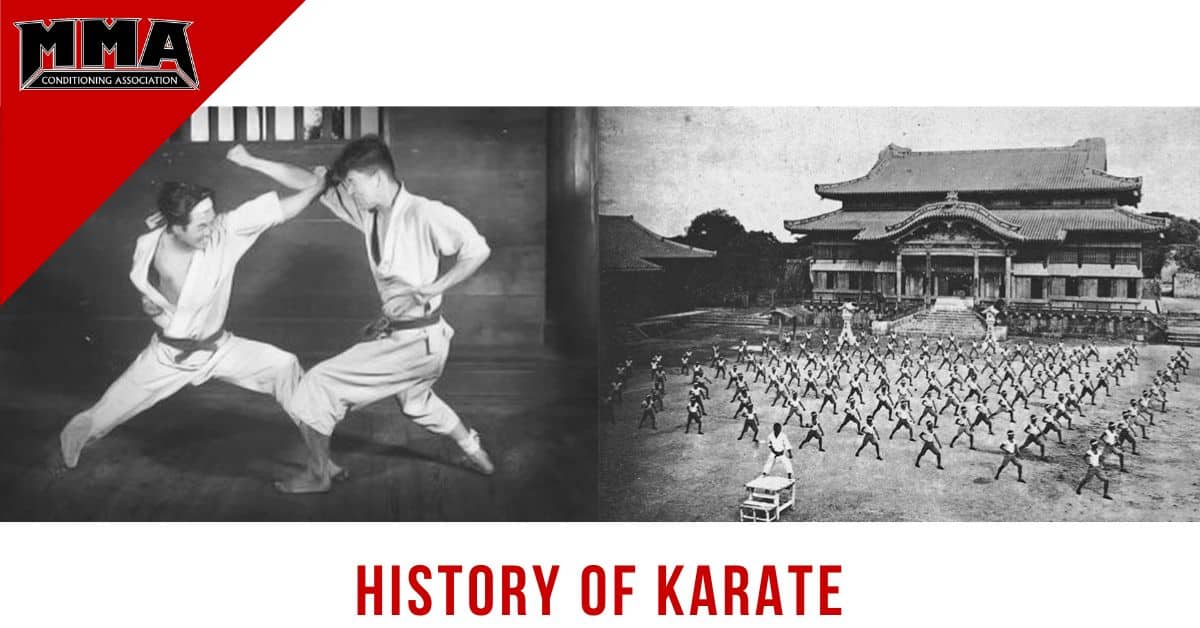
Karate: A Comprehensive Historical Journey
This report provides an extensive exploration of the history of karate, tracing its origins in Japan, the development of various popular styles, and the influential figures who shaped its evolution. It also examines the significant role of individuals like Ed Parker in popularizing karate in America.
Karate, a martial art that emphasizes striking techniques using the hands, feet, knees, and elbows, has a rich and storied history that spans centuries. This report delves into the origins, diverse styles, and key figures who have contributed to the evolution and dissemination of karate worldwide.
Origins and Early Development
Country of Origin: Karate’s roots can be traced back to Okinawa, an island in Japan’s Ryukyu Archipelago. It was influenced by indigenous Okinawan fighting traditions and Chinese martial arts, brought to Okinawa through trade and cultural exchange.
Time of Origin: The precise origins of karate are difficult to pinpoint, but it began to take shape in the 19th century as Okinawan martial artists blended indigenous techniques with Chinese martial arts knowledge.
Popular Styles of Karate
Shotokan: Founded by Gichin Funakoshi, Shotokan is one of the most widely practiced and recognized styles of karate. It emphasizes powerful, linear movements and a strong focus on basics.
Kyokushin: Created by Masutatsu Oyama, Kyokushin is known for its intense physical conditioning and full-contact sparring. It places a strong emphasis on practical self-defense techniques.
Goju-Ryu: Chojun Miyagi developed Goju-Ryu, which incorporates both hard and soft techniques. It emphasizes close-range combat and circular movements.
Wado-Ryu: Hironori Otsuka founded Wado-Ryu, blending karate with traditional Japanese martial arts. It emphasizes fluid, evasive movements and redirection of an opponent’s force.
Unique Aspects of Karate Styles
Each karate style has its unique characteristics and philosophies, which are reflected in its techniques and training methods. For instance, Shotokan is known for its emphasis on kata (pre-arranged forms), Kyokushin for its rigorous full-contact sparring, Goju-Ryu for its focus on breathing and internal energy, and Wado-Ryu for its incorporation of jujutsu techniques.
Influential Figures
Gichin Funakoshi: Often referred to as the “Father of Modern Karate,” Funakoshi introduced karate to mainland Japan in the early 20th century. He played a pivotal role in popularizing the art and adapting it to a wider audience.
Masutatsu Oyama: The founder of Kyokushin Karate, Oyama was renowned for his physical prowess and his commitment to rigorous training. He helped popularize the idea of full-contact karate.
Chojun Miyagi: Miyagi’s development of Goju-Ryu karate emphasized the integration of soft and hard techniques and had a profound influence on karate’s evolution.
Popularization of Karate in America
One of the key figures responsible for popularizing karate in the United States was Ed Parker. Parker, a student of both kenpo and karate, developed American Kenpo, a hybrid martial art that combined elements of karate with Chinese and Western martial arts. He promoted karate through his teaching, writing, and demonstrations, contributing to the widespread adoption of martial arts in the United States.
More Detail on Popular Styles
Goju-Ryu Karate: A Martial Art of Harmony and Balance
Origins: Goju-Ryu is one of the oldest and most respected styles of karate, known for its emphasis on the integration of “hard” and “soft” techniques. It was founded by Chojun Miyagi (1888-1953) in Okinawa, Japan. Miyagi’s goal was to create a martial art that harmoniously combined the external, forceful movements found in Chinese martial arts (known as “hard” techniques) with the internal, flowing movements that characterize Okinawan indigenous martial arts (known as “soft” techniques).
Philosophy and Principles: Goju-Ryu karate is deeply rooted in the concept of balance and harmony, both in physical movements and in life. Its name, “Goju-Ryu,” translates to “hard-soft style,” reflecting this central philosophy. The martial art seeks to cultivate a well-rounded martial artist who is not only proficient in combat techniques but also spiritually and mentally balanced.
Key principles of Goju-Ryu include:
- Sanchin Kata: Sanchin is a fundamental kata (pre-arranged form) in Goju-Ryu that emphasizes the development of internal energy (ki or chi), correct breathing, and physical structure. Practitioners perform Sanchin with a unique breathing technique called ibuki, which involves deep, rhythmic inhalation and exhalation.
- Hard and Soft Techniques: Goju-Ryu integrates both hard techniques (strikes, blocks, and linear movements) and soft techniques (circular and fluid movements) to create a balanced and effective martial art.
- The Eight Key Concepts: These principles guide practitioners in achieving harmony and balance in their techniques and lives. They include concepts like “hojo undo” (supplementary exercises), “riku ude” (power in the wrist), and “seiku (correct breathing).
Training Methods: Training in Goju-Ryu karate typically includes a combination of the following elements:
- Kata: Kata are pre-arranged forms that teach techniques, balance, and proper body mechanics. Goju-Ryu features a variety of kata, each with its unique set of movements and applications.
- Kumite: Sparring is an integral part of Goju-Ryu training, allowing practitioners to apply techniques in a dynamic, controlled environment. There are various levels of kumite, from basic drills to advanced sparring.
- Hojo Undo: These are supplementary exercises designed to improve strength, flexibility, and endurance. They often involve the use of traditional training tools like the makiwara (striking board) and nigiri-game (gripping jars).
- Bunkai: Bunkai is the analysis of kata, focusing on understanding the practical applications of each movement. It helps students bridge the gap between kata and real-world self-defense.
Influence and Global Reach: Goju-Ryu karate has gained international recognition and popularity. Many renowned martial artists have trained in Goju-Ryu or incorporated its principles into their own styles. It is practiced by individuals seeking self-defense skills, physical fitness, and personal development.
In conclusion, Goju-Ryu karate is a martial art that emphasizes the harmonious integration of hard and soft techniques, fostering balance in both physical movements and life philosophy. With its rich history, principles, and training methods, Goju-Ryu continues to inspire martial artists worldwide to seek harmony, self-improvement, and effective self-defense skills through their practice.
Shotokan Karate: The Path of the Shoto Masters
Origins: Shotokan Karate is one of the most popular and widely practiced styles of karate in the world. It was founded by Gichin Funakoshi (1868-1957), often referred to as the “Father of Modern Karate.” Funakoshi was born in Okinawa and later introduced karate to mainland Japan in the early 20th century. He named his style “Shotokan” after his pen name, Shoto, which means “waving pines” and symbolizes the peaceful, flowing nature of the art.
Philosophy and Principles: Shotokan Karate is characterized by its straightforward and practical approach to self-defense. Its philosophy emphasizes the development of character, discipline, and respect, with physical techniques serving as a means to achieve these goals. Key principles include:
- Kihon: The foundation of Shotokan, kihon refers to basic techniques such as punches, kicks, blocks, and stances. Mastery of kihon is considered essential before advancing to more complex movements.
- Kata: Kata are pre-arranged forms or patterns that encapsulate various techniques, movements, and applications. Shotokan features a range of kata, each with distinct characteristics and purposes.
- Kumite: Kumite involves sparring or controlled fighting with an opponent. It allows practitioners to apply techniques learned in kihon and kata in a dynamic setting. Various levels of kumite training are used, from basic drills to advanced sparring.
- Etiquette and Respect: Shotokan places a strong emphasis on respect for one’s instructor, training partners, and the art itself. Bowing and other etiquette are integral parts of training.
Training Methods: Shotokan karate training is structured and disciplined, with a focus on precision, power, and efficiency. Some key training methods and aspects include:
- Kihon Drills: Practitioners spend considerable time on fundamental techniques, honing their stances, strikes, and blocks for proper execution.
- Kata Practice: Kata are central to Shotokan training. Students learn and refine these forms to develop their understanding of movement, balance, and application.
- Kumite Progression: Kumite training advances from basic, controlled sparring to more dynamic and free-flowing exchanges as students gain experience.
- Gradings and Ranks: Shotokan uses a colored belt system to signify rank and progression. Students undergo examinations to advance to higher ranks.
Influence and Global Reach: Shotokan Karate has gained immense popularity and has been practiced by millions of people worldwide. Funakoshi’s introduction of karate to mainland Japan and his dedication to promoting the art played a significant role in its global dissemination. Today, Shotokan dojos (training halls) can be found in many countries.
Modern Variations: Over time, various Shotokan organizations and offshoots have emerged, each with its emphasis on specific aspects of the style. Some of these variations may incorporate additional techniques or variations in kata, but they all share the fundamental principles of Shotokan Karate.
Shotokan Karate is a widely respected martial art with a focus on strong foundational techniques, discipline, and character development. Its founder, Gichin Funakoshi, left a lasting legacy by introducing karate to Japan and the world, and Shotokan continues to inspire practitioners to strive for physical and mental excellence through their practice.
Kyokushin Karate: The Ultimate Truth in Martial Arts
Origins: Kyokushin Karate is a full-contact style of karate known for its rigorous training and challenging sparring sessions. It was founded by Masutatsu Oyama (1923-1994), a Japanese martial artist. Oyama drew from his experiences in various martial arts, including Shotokan, Goju-Ryu, and judo, to develop Kyokushin. He aimed to create a practical and effective martial art that emphasized real combat situations and full-contact fighting.
Philosophy and Principles: Kyokushin Karate is characterized by its strong emphasis on physical conditioning, practical self-defense, and a commitment to self-improvement. Its core principles include:
- Full-Contact Sparring: Kyokushin is renowned for its intense, full-contact sparring sessions. Practitioners wear minimal protective gear (usually just gloves and a mouthguard) and engage in rigorous, physical fights to test their techniques and resilience.
- Kihon and Kata: Kyokushin places significant importance on mastering the basics (kihon) and practicing kata (pre-arranged forms) to develop precision and discipline in techniques.
- Kumite: Kyokushin kumite is a central aspect of training. It ranges from controlled sparring to knockdown competitions, where the goal is to score a clean, powerful blow that knocks the opponent to the ground.
- Physical Conditioning: Training in Kyokushin involves rigorous physical conditioning, including endurance exercises, strength training, and body toughening techniques like makiwara (striking board) training.
- Respect and Humility: As with many traditional martial arts, Kyokushin places a strong emphasis on respect for instructors, fellow students, and the martial art itself. Bowing and etiquette are integral parts of training.
Training Methods: Kyokushin training is known for its intensity and discipline. Some key training methods and aspects include:
- Knockdown Kumite: This is a distinctive feature of Kyokushin training. In knockdown kumite, fighters aim to score clean, powerful techniques that bring their opponents to the ground. Safety measures are in place to protect fighters.
- Basics and Kata: Like other karate styles, Kyokushin places importance on perfecting basic techniques (kihon) and practicing kata to develop fluidity and precision in movements.
- Sparring Variations: Kyokushin training includes various forms of sparring, from controlled, non-contact drills to the full-contact knockdown sparring that the style is famous for.
- Gradings and Ranks: Kyokushin uses a colored belt system to signify rank and progression. Students must pass rigorous examinations to advance to higher ranks.
Influence and Global Reach: Kyokushin Karate has a significant presence worldwide, with dojos in many countries. Its emphasis on practical self-defense and physical conditioning has attracted martial artists from various backgrounds. Kyokushin fighters have also excelled in mixed martial arts (MMA) competitions, demonstrating the effectiveness of their training.
Modern Variations: While Kyokushin adheres to its core principles, some variations and offshoots have emerged over time, each with its own interpretation and emphasis on certain aspects of the style.
Kyokushin Karate is known for its rigorous training, full-contact sparring, and practical approach to self-defense. It remains a respected martial art with a global following and continues to attract practitioners seeking both physical and mental development through martial arts training.
Karate’s history is a testament to its adaptability and enduring appeal. Originating in Okinawa, it has grown into a global phenomenon with various styles and philosophies. Influential figures like Funakoshi, Oyama, and Miyagi have shaped its development, while individuals like Ed Parker have helped introduce and promote it internationally. Karate remains not only a martial art but also a way of life, with practitioners continuing to honor its rich traditions while seeking personal growth and self-improvement through its practice.